Choosing the right aluminum sheet or plate can make a major difference in your product’s performance, durability, and how easily it can be manufactured.
From general fabrication and engineering through to marine and transport applications, different aluminium grades, thicknesses and tempers offer different properties. Understanding these differences can help you select a material that is better suited to the demands of your project.
If you’re sourcing aluminum sheet in New Zealand, this guide highlights the key factors to consider when choosing sheet or plate. It also explains the differences between common alloys and where each one performs best.
What is the difference between aluminium sheet and aluminium plate?
Aluminium sheet and aluminium plate are both flat-rolled aluminium products. The primary distinction is generally their thickness.
Aluminium sheet is typically thinner and is commonly used where forming, folding, or lightweight fabrication is required.
Aluminum plate is thicker than sheet and is commonly used when you need added strength, stiffness, or easier machining. It’s well-suited for engineering parts, machinery, transportation, and structural projects.
The right option isn't simply a question of choosing between a sheet or a plate. Alloy, temper, thickness, fabrication requirements, and operating environment all need to be considered.
Which aluminium grade should you choose?
Different aluminium alloys are engineered to provide different combinations of strength, formability, corrosion resistance, weldability, and machinability.
Some of the commonly used grades available in New Zealand include:
- 5005 aluminium – a versatile general-purpose option
5005 aluminium is a low-to-medium strength alloy with good formability, making it suitable for a variety of general sheet metal applications.
Its versatility makes it a practical choice where extreme strength isn't required, but ease of fabrication is important.
Common applications can include general sheet metal work and fabricated components. - 5052 aluminium – suitable for demanding and marine environments
5052 is a medium-strength marine-grade aluminium alloy offering good corrosion resistance, weldability and ductility.
These characteristics make 5052 aluminium sheet particularly useful where material needs to be formed or welded while maintaining good resistance to corrosion.
It can be used across marine, transport and general fabrication applications. - 5083 aluminium – high-strength marine-grade aluminium
5083 is one of the highest-strength non-heat-treatable aluminium alloys and offers excellent corrosion resistance and welding properties.
These characteristics make 5083 aluminium sheet and plate particularly suited to demanding marine and transport applications where strength, durability and corrosion resistance are important considerations.
Altus® Industrial Aluminium also offers Lloyd's-certified 5083 sheet and plate options for applications where certification is required. - 6061 aluminium – an engineering-grade alloy
6061 aluminium plate combines high strength with good machinability, weldability and corrosion resistance.
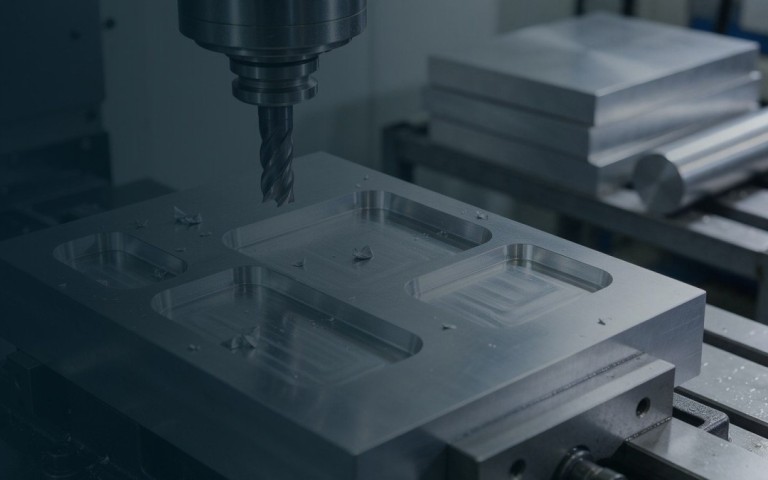
It is widely suited to engineering and manufacturing applications where components need to be accurately machined while maintaining good structural properties.
For this reason, 6061 aluminium plate is commonly considered for machinery, engineering components, and other precision-manufactured parts.
5052 vs 5083 vs 6061 aluminium: what's the difference?
While all three alloys offer useful performance characteristics, they are designed for different requirements.
|
Aluminium grade |
Key characteristics |
Common applications |
|
5052 |
Medium strength, good corrosion resistance, weldability and ductility |
Marine, transport and general fabrication |
|
5083 |
Higher strength, excellent corrosion resistance and welding properties |
Marine, transport and demanding applications |
|
6061 |
High strength, good machinability, weldability and corrosion resistance |
Engineering, machinery and machined components |
The best alloy for your project will ultimately depend on how the material will be used and what fabrication processes it needs to undergo.
How thick should aluminium sheet or plate be?
There isn't one ideal aluminium thickness for every application.
The required thickness depends on factors including:
-
The loads the finished component needs to withstand
-
Required rigidity and strength
-
Overall component dimensions
-
Alloy and temper
-
Weight requirements
-
Forming and fabrication requirements
-
Machining requirements
-
The environment in which the finished product will operate
Choosing material that is unnecessarily thick may add weight and material cost, while material that is too thin may not provide the performance required.
For more complex applications, discussing these requirements with an aluminium supplier early in the design process can help identify an appropriate combination of alloy, temper and thickness.
Can aluminium sheet and plate be cut to size?
Yes. Aluminium sheet and plate can be processed using a variety of cutting methods depending on the material, thickness and required finished component.
Altus® Industrial Aluminium provides in-house cutting services alongside its range of aluminium sheet and plate, helping customers source material and processing through one supplier.
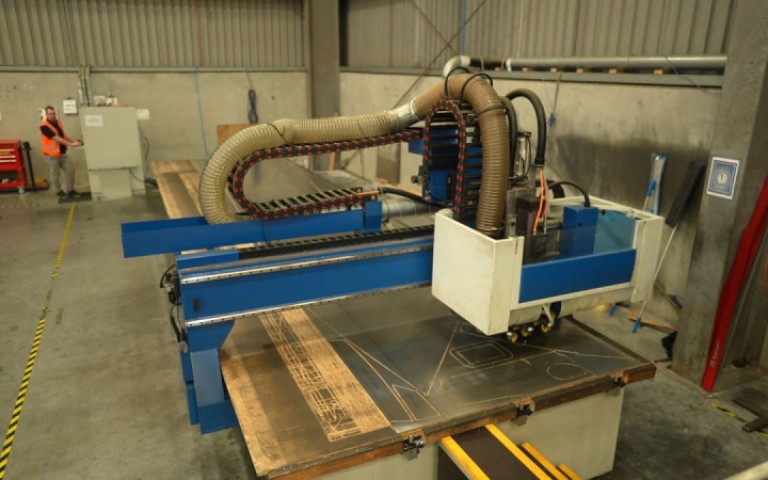
CNC routing can also be used to profile-cut aluminium sheet and plate where more complex shapes and accurate repeatability are required.
Choosing an aluminium sheet and plate supplier in New Zealand
When sourcing aluminium sheet or aluminium plate in New Zealand, availability is only one consideration.
A supplier that understands alloy selection, fabrication and downstream processing can help you consider the complete manufacturing process rather than simply purchasing raw material.
Altus® Industrial Aluminium supplies an extensive range of aluminium sheet, plate, coil and treadplate through our distribution centres in Auckland, Hamilton and Christchurch.
Our range includes general-purpose, marine and engineering-grade aluminium, with additional sizes and thicknesses available through indent ordering where required.
With in-house cutting and CNC routing capabilities also available, we can help customers move from material selection through to processed aluminium ready for the next stage of manufacturing.
Talk to Altus® Industrial Aluminium
Not sure which aluminium sheet, plate, alloy or thickness is right for your application?
Talk to the Altus® Industrial Aluminium team about your project requirements. We can help identify suitable material options and processing services for your application.
________________________________________________________________________
Frequently Asked Questions
-
What is the difference between aluminium sheet and aluminium plate?
Both are flat-rolled aluminium products, with plate generally referring to thicker material. The appropriate product depends on the strength, weight, fabrication, and machining requirements of the application. -
What is the best aluminium grade for marine use?
5052 and 5083 are commonly used marine-grade aluminium alloys because of their corrosion resistance. 5083 provides higher strength, while 5052 offers good formability, weldability, and medium strength. -
Is 6061 aluminium suitable for machining?
Yes. 6061 aluminium is an engineering-grade alloy offering good machinability alongside high strength, weldability and corrosion resistance, making it suitable for many machined components. -
Can aluminium sheet be cut to size?
Yes. Aluminium sheet and plate can be cut and processed to suit different project requirements. Altus® Industrial Aluminium provides in-house cutting services and CNC profile cutting capabilities. -
Where can I buy aluminium sheet and plate in New Zealand?
Altus® Industrial Aluminium supplies aluminium sheet and plate through distribution centres in Auckland, Hamilton and Christchurch, with a range of alloys, sizes and thicknesses available.