When an aluminium component needs to be cut accurately and consistently, the cutting method can make a significant difference to the finished result.
CNC router cutting provides a precise and efficient way to profile-cut aluminium sheet, plate and profiles into complex shapes and components. It can be particularly valuable where repeatability, accuracy and efficient material use are important.
But what exactly is CNC routing, what aluminium can be routed, and what should you consider before sending a job for cutting?
Here's what you need to know.
What is CNC routing?
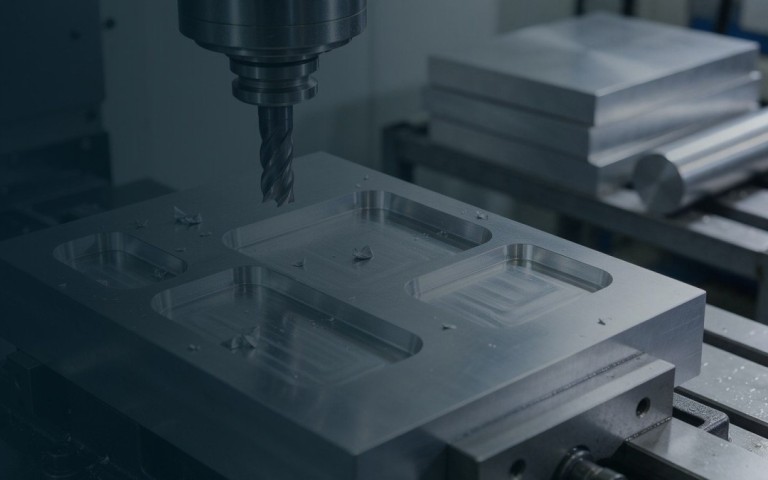
CNC routing is a computer-controlled cutting process used to accurately cut and shape materials according to a digital design.
CNC stands for Computer Numerical Control. Rather than manually guiding the cutting tool, the CNC router follows programmed instructions to create the required shape.
For aluminium applications, this allows sheet, plate and profiles to be cut into repeatable components with a high degree of precision.
Can a CNC router cut aluminium?
Yes. CNC routers designed and tooled for aluminium can efficiently cut aluminium sheet, plate and extruded profiles.
The correct tooling, cutting speeds, feed rates and machine setup are important when working with aluminium. These factors help achieve an accurate cut and a clean finished edge while reducing unnecessary material waste.
Industrial CNC equipment is specifically designed to provide the control and consistency required for production environments.
What types of aluminium can be CNC routed?
A range of aluminium alloys can be CNC routed, but the most appropriate approach depends on the alloy, temper, thickness and required finished component.
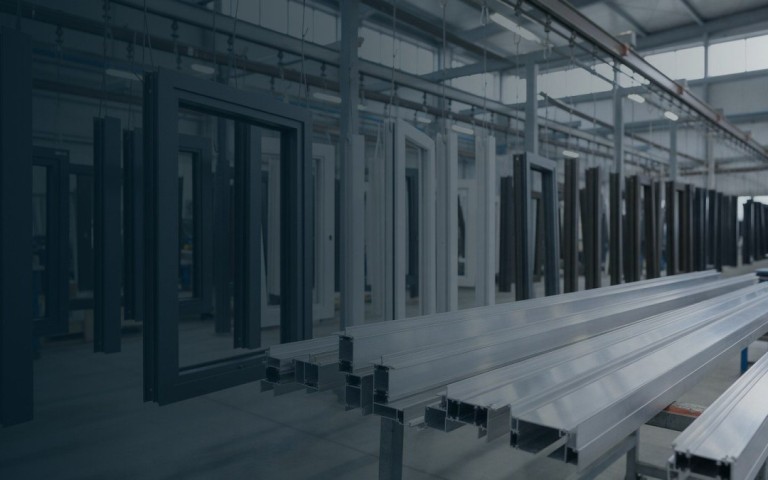
Aluminium sheet and plate can be profile-cut into complex shapes, while aluminium extrusions can undergo additional routing and machining to create features required for assembly or their final application.
This makes CNC routing useful across engineering, manufacturing, transport, marine, architectural and other industrial applications.
What thickness of aluminium can be CNC routed?
The maximum thickness depends on the capabilities of the CNC equipment being used.
Altus® Industrial Aluminium's flat-bed CNC routing capability can profile-cut aluminium sheet and plate from 1.2mm through to 25mm thick, with material up to 2,400mm wide.
For projects outside standard parameters, it's best to discuss the material and finished component requirements before production.
What are the benefits of CNC router cutting aluminium?
CNC routing provides several advantages where aluminium components need to be manufactured accurately and efficiently.
-
Precision
Because the router follows a programmed digital design, components can be produced accurately to the required profile. -
Repeatability
Once a cutting programme has been established, the same component can be reproduced consistently across multiple pieces.
This is particularly useful for production runs where consistency between components is critical. -
Complex shapes
CNC routing makes it possible to produce shapes and profiles that would be difficult or time-consuming using conventional manual cutting methods. -
Efficient material use
Parts can be strategically positioned or nested within a sheet to make better use of the available material and help reduce waste. -
Clean cutting
CNC routing is a mechanical cutting process rather than a thermal process. This means it does not create a heat-affected zone in the same way as some thermal cutting methods.
For the right application, this can help produce a clean, accurate finished component ready for further fabrication or processing.
CNC routing vs conventional cutting: which should you use?
The right cutting method depends on what you're trying to produce.
Straight or relatively simple cuts may be efficiently completed using conventional saw cutting equipment.
CNC routing becomes particularly useful when a project requires:
-
Complex profiles
-
Multiple cut-outs or features
-
Accurate repeatability
-
Larger production quantities
-
Efficient nesting of components
-
Consistency between parts
Rather than choosing a cutting method in isolation, consider the geometry of the component, material type, tolerances, quantity, and any further fabrication processes required.
Can aluminium extrusions be CNC routed?
Yes. CNC equipment can be used to perform secondary processing on aluminium extrusions.
Once an aluminium profile has been extruded, CNC routing can be used to create cuts and features required for the final application.
This can form part of a wider manufacturing solution incorporating extrusion, cutting, fabrication and surface finishing.
What information is needed for CNC router cutting?
Providing accurate project information from the beginning helps ensure the CNC routing process is efficient and the finished component meets your requirements.
Before requesting a quote, it is useful to have information such as:
-
Aluminium alloy or material specification
-
Material thickness
-
Component dimensions
-
Required quantity
-
Technical drawings or CAD files
-
Required tolerances
-
Any holes, cut-outs or additional features
-
Further fabrication or finishing requirements
If you're unsure about any of these details, involving your aluminium supplier early can help identify the most suitable approach before production begins.
Why combine aluminium supply and CNC routing?
Sourcing aluminium and CNC processing through the same supplier can simplify the manufacturing process.
Rather than purchasing material from one supplier and transporting it elsewhere for processing, an integrated approach can reduce handling and simplify coordination.
It also allows material selection and processing requirements to be considered together.
Altus® Industrial Aluminium supplies aluminium sheet, plate and extruded profiles alongside in-house cutting and CNC routing capabilities, providing customers with access to both material and processing expertise.
CNC routing capabilities at Altus® Industrial Aluminium
Our CNC routing services are designed to support a wide variety of industrial and manufacturing requirements.
Our flat-bed CNC equipment can profile-cut aluminium sheet and plate, while dedicated extrusion CNC equipment provides additional machining capabilities for aluminium profiles.
Depending on the application, CNC routing can form part of a wider solution incorporating:
-
Aluminium sheet and plate supply
-
Aluminium extrusion
-
Cutting
-
CNC routing
-
Fabrication
-
Drilling and punching
-
Surface finishing
This integrated capability allows customers to work with one aluminium partner across multiple stages of production.
Talk to Altus® Industrial Aluminium
Need aluminium CNC cut or routed for your next project?
Talk to the Altus® Industrial Aluminium team about your material, drawings and production requirements. We can help determine the most appropriate material and processing solution for your application.
_____________________________________________________________________
Frequently Asked Questions
-
Can CNC routers cut aluminium?
Yes. Industrial CNC routers equipped and configured for aluminium can accurately cut aluminium sheet, plate and extruded profiles. -
How thick can aluminium be for CNC router cutting?
This depends on the equipment being used. Altus Industrial's flat-bed CNC routing capability can profile-cut aluminium sheet and plate from 1.2mm to 25mm thick. -
Is CNC routing suitable for aluminium plate?
Yes. CNC routing can be used to profile-cut aluminium plate, provided the material thickness and dimensions are within the capability of the equipment. -
What are the advantages of CNC routing aluminium?
Key advantages include precision, repeatability, the ability to create complex shapes, efficient material nesting and a non-thermal cutting process. -
Can aluminium extrusions be CNC routed?
Yes. CNC routing and machining can be used as secondary processes for aluminium extrusions to create cuts and features required for the finished component. -
What files do I need for CNC routing?
CAD files or accurate technical drawings are typically useful for CNC routing. Material specifications, dimensions, tolerances, quantities and any additional fabrication requirements should also be provided where available.