Aluminium extrusion is one of the most versatile manufacturing processes used across New Zealand's construction, transport, manufacturing, and industrial sectors. From architectural systems and transport components to specialised industrial equipment, aluminium extrusions provide a combination of strength, flexibility and efficiency that makes them suitable for a wide range of applications.
But how does aluminium extrusion actually work, and why is it such a popular manufacturing method?
This guide explains the aluminium extrusion process, its benefits, common applications, and what to consider when selecting an extrusion partner.
What is aluminium extrusion?
Aluminium extrusion is a manufacturing process that transforms an aluminium billet into a specific profile shape by forcing the material through a specially designed die.
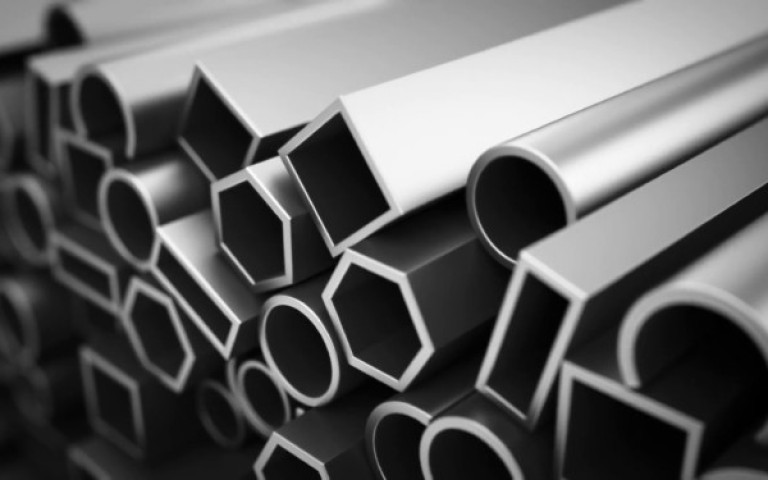
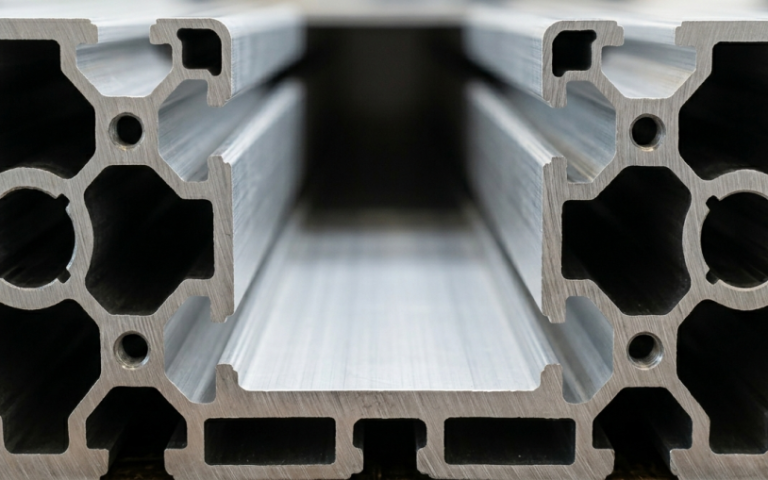
The resulting extrusion has a consistent cross-sectional shape and can be produced in a wide variety of simple or complex configurations. Profiles can then be fabricated, machined, finished, and assembled to meet the requirements of their intended application.
How does the aluminium extrusion process work?
-
Die Design
Every extrusion begins with a die. The die determines the final shape of the profile and is designed to meet specific performance, dimensional, and manufacturing requirements. -
Billet Heating
Aluminium billets are heated to a temperature that makes them malleable while maintaining their structural integrity. -
Extrusion
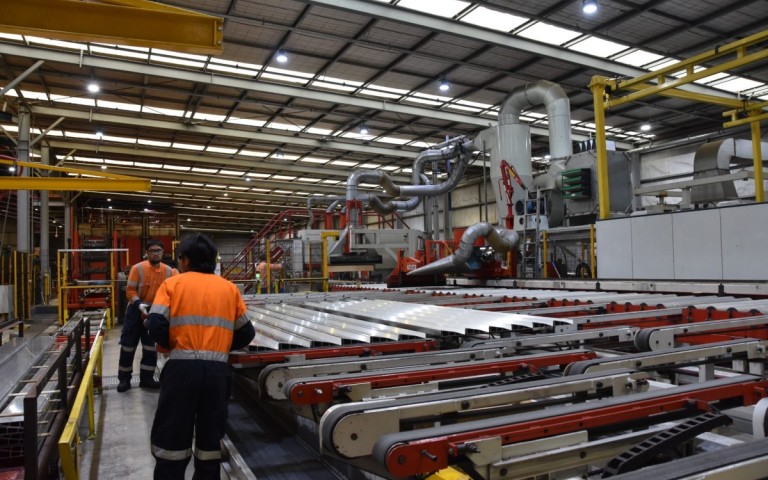
The heated billet is pushed through the die under high pressure. As the aluminium exits the die, it takes on the desired profile shape. -
Cooling and Stretching
The profile is cooled and stretched to improve straightness and dimensional accuracy. -
Cutting and Further Processing
The extrusion is cut to the required length and may undergo additional processes such as machining, fabrication, anodising, powder coating or assembly.
Benefits of aluminium extrusion
-
Design Flexibility
Complex shapes can be manufactured efficiently, allowing multiple functions to be incorporated into a single profile. -
Lightweight Strength
Aluminium offers an excellent strength-to-weight ratio, making it ideal for applications where weight reduction is important. -
Corrosion Resistance
Aluminium naturally resists corrosion, making it suitable for demanding environments and long-term outdoor use. -
Sustainability
Aluminium is infinitely recyclable without losing its material properties, supporting more sustainable manufacturing outcomes. -
Cost Efficiency
The ability to create complex profiles in a single process can reduce fabrication requirements and simplify assembly.
Common applications of aluminium extrusion
Aluminium extrusions are used across numerous industries, including:
-
Construction and building systems
-
Transport and automotive manufacturing
-
Marine applications
-
Aerospace components
-
Agricultural equipment
-
Industrial machinery
-
Renewable energy infrastructure
-
Consumer products
Standard vs Custom aluminium extrusions
Standard profiles are suitable for many common applications and can often provide shorter lead times.
Custom aluminium extrusions are developed for unique applications and allow designers and engineers to optimise:
-
Structural performance
-
Weight reduction
-
Product functionality
-
Assembly efficiency
-
Aesthetics
For high-volume or specialised applications, custom extrusions can deliver significant long-term benefits.
Choosing an aluminium extrusion partner
A successful extrusion project involves more than simply sourcing a profile.
Look for a partner that can provide:
-
Technical design support
-
Die design expertise
-
Fabrication capabilities
-
Surface finishing services
-
Supply chain support
-
Industry-specific experience
Early collaboration can help improve manufacturability, reduce costs and optimise performance.
Aluminium extrusion remains one of the most effective manufacturing processes for creating lightweight, durable and versatile components. Whether you're developing a new product, improving an existing design or exploring alternative manufacturing solutions, extrusion offers significant opportunities for innovation and efficiency.
Talk to Altus® Industrial Aluminium
If you're exploring aluminium extrusion solutions for your next project, our team can provide support from design and die development through to fabrication and finishing.
Frequently Asked Questions
-
What is aluminium extrusion?
Aluminium extrusion is a manufacturing process where heated aluminium is forced through a shaped die to create a profile with a consistent cross-section. -
How does the aluminium extrusion process work?
The process involves die design, billet heating, extrusion, cooling, stretching and additional finishing processes such as fabrication or coating. -
What are the benefits of aluminium extrusion?
Benefits include lightweight strength, corrosion resistance, design flexibility, sustainability and manufacturing efficiency. -
What industries use aluminium extrusion?
Industries include construction, transport, manufacturing, marine, aerospace, agriculture, renewable energy and industrial equipment. -
Can aluminium extrusions be customised?
Yes. Custom extrusion dies can be developed to create profiles that meet specific structural, functional or aesthetic requirements. -
Is aluminium extrusion environmentally friendly?
Yes. Aluminium is highly recyclable as it retains its properties throughout the recycling process. -
What is the difference between standard and custom aluminium profiles?
Standard profiles are pre-existing shapes, while custom profiles are designed specifically for a particular application or product.